
Our First Warehouse, Full
Now we wait

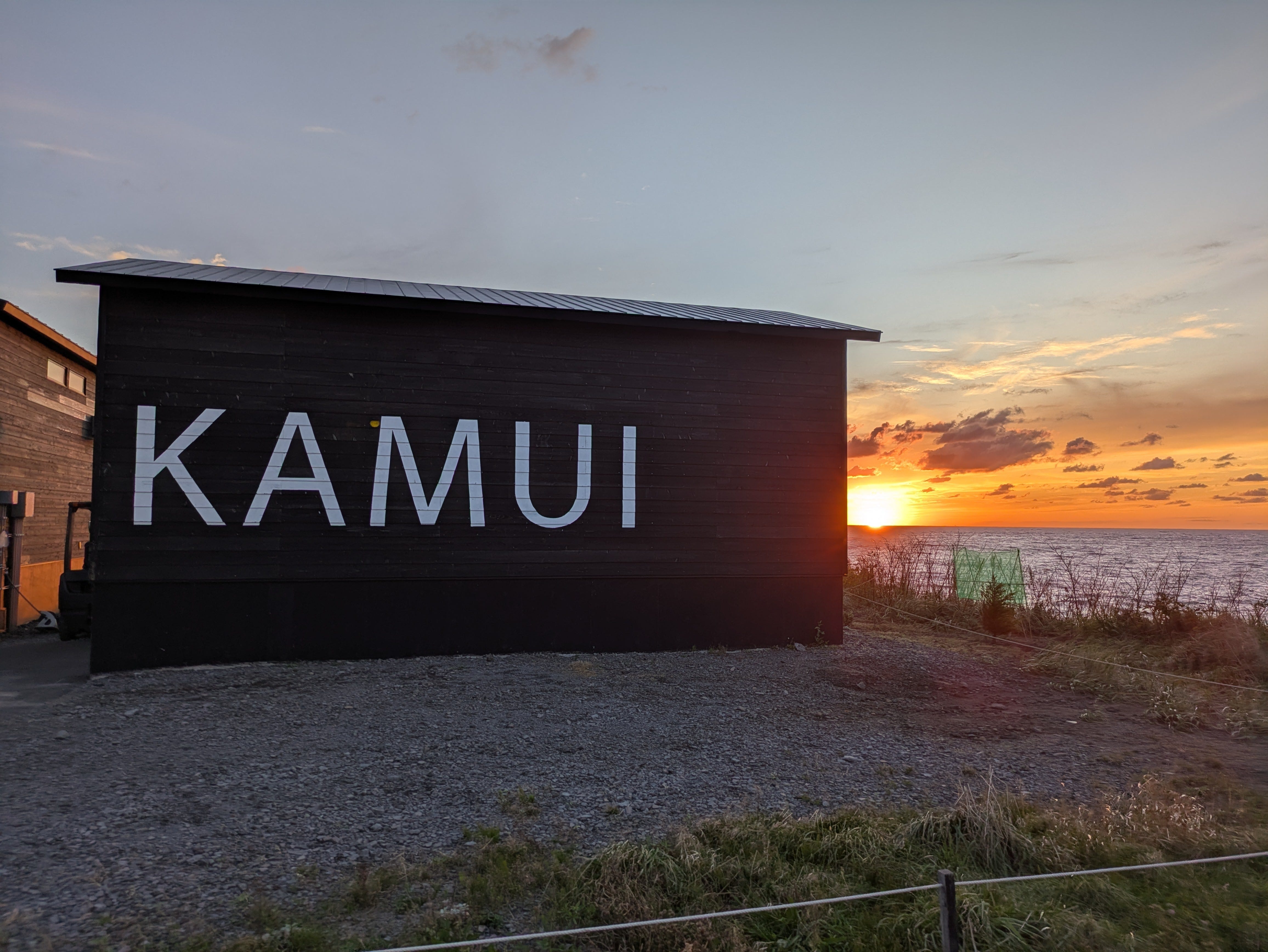
Hey, I’m Casey. Thanks for reading our newsletter. Here I share our startup journey of Kamui Whisky K.K. Both the good and the bad. We’ve been busy, but when I’m not overwhelmed, I’ll share a story as we continue to build our craft whisky distillery on our remote, volcanic island in the most northern part of Japan. This is Rishiri Whisky.
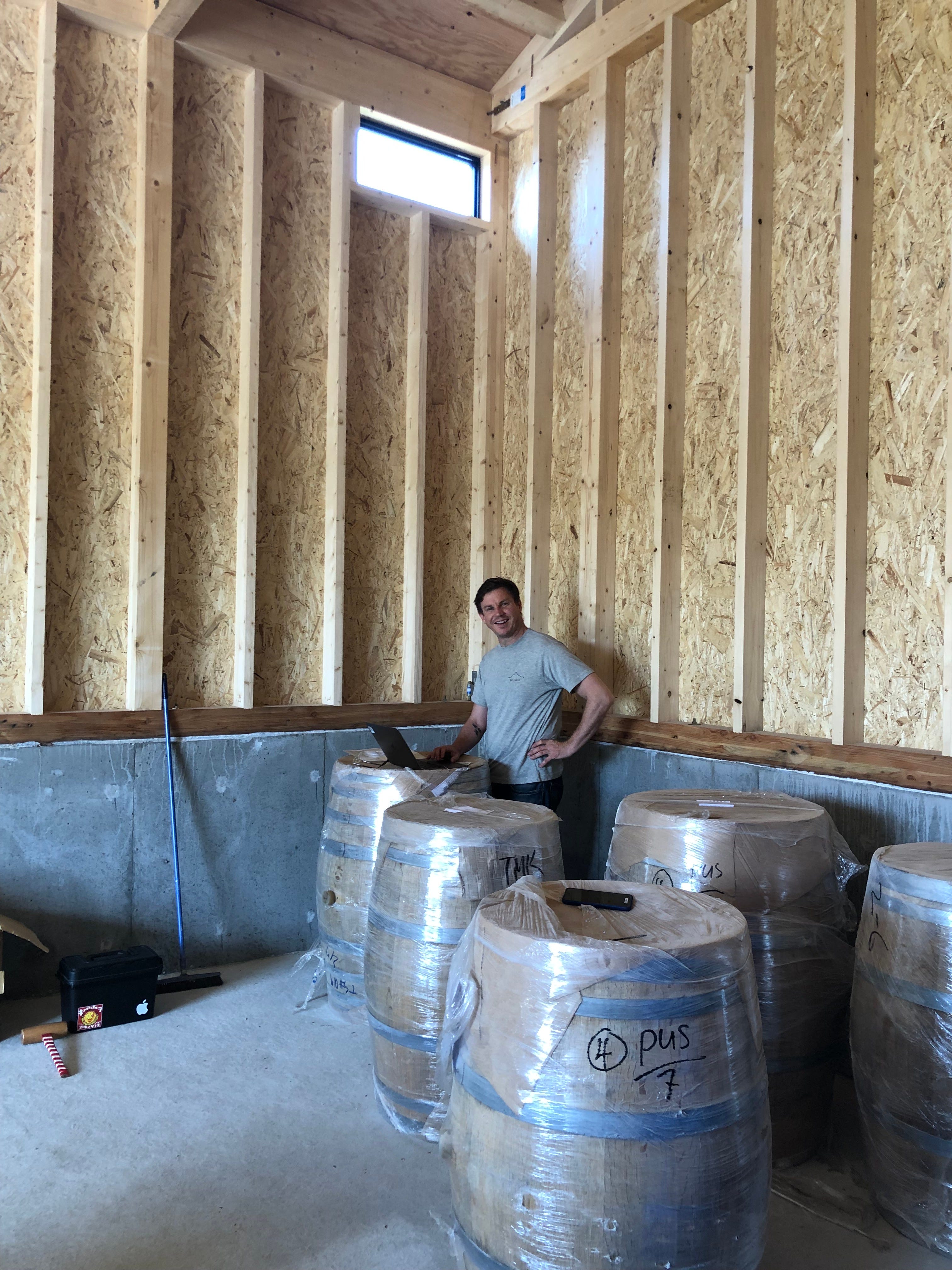
There was a time, not so long ago, when our First Warehouse echoed.
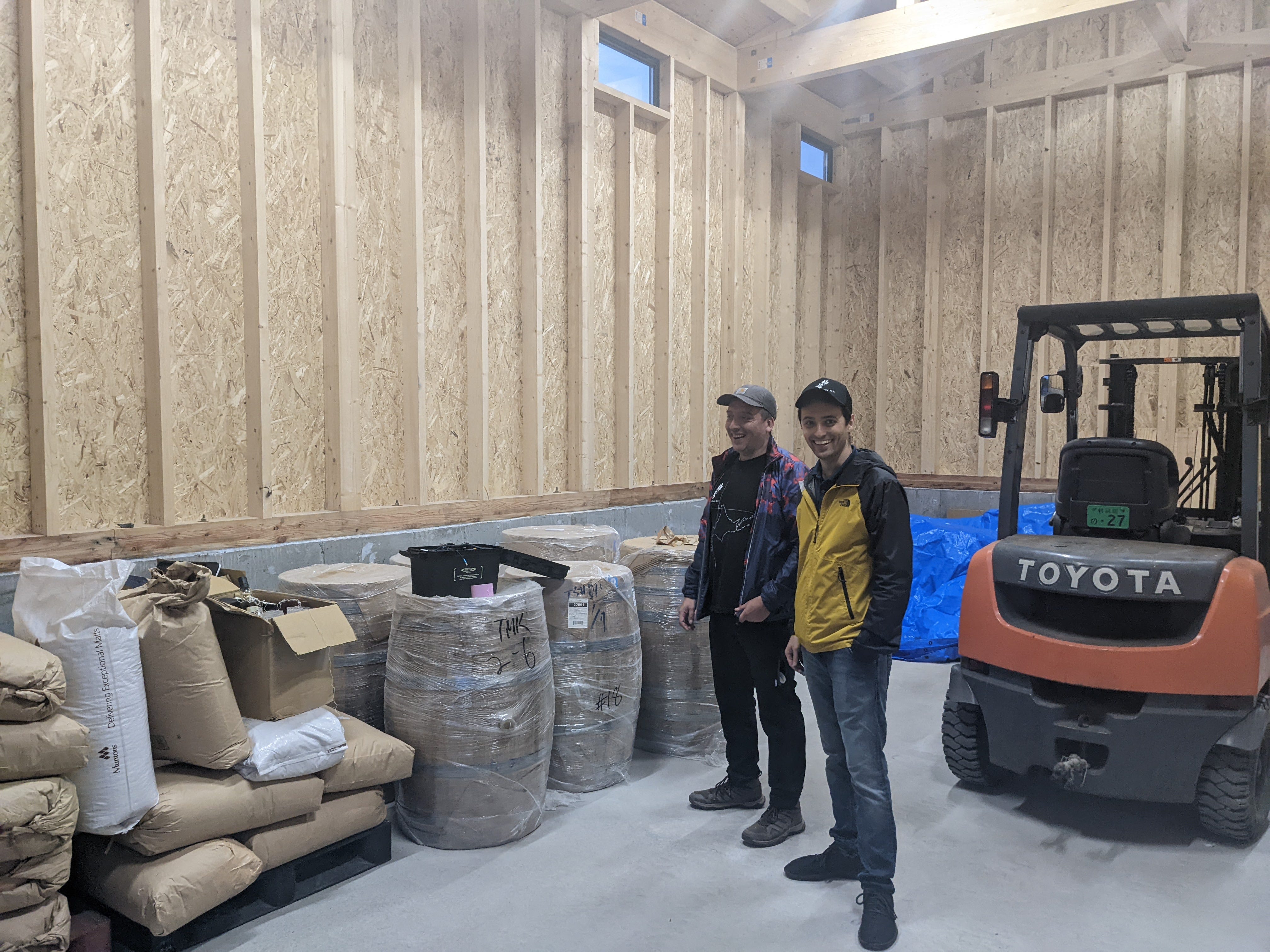
You could stand in the middle of it and hear your breathing bounce off the walls. A few barrels sat on makeshift pallets, looking self-conscious in all that emptiness, and the smell, well, there was barely any of that beautiful aging whisky smell at all. Just concrete dust and the faint ghost of possibility.
I used to dream about the day it would be full. Not half-full, not getting-there full, but full full. Barrels stacked three high in the dunnage system everyone said was old-school and impractical1. The kind of full where you have to turn sideways to squeeze between rows. Where the air itself becomes something you can almost taste.
That day seemed impossibly far away.
The Parade of Believers
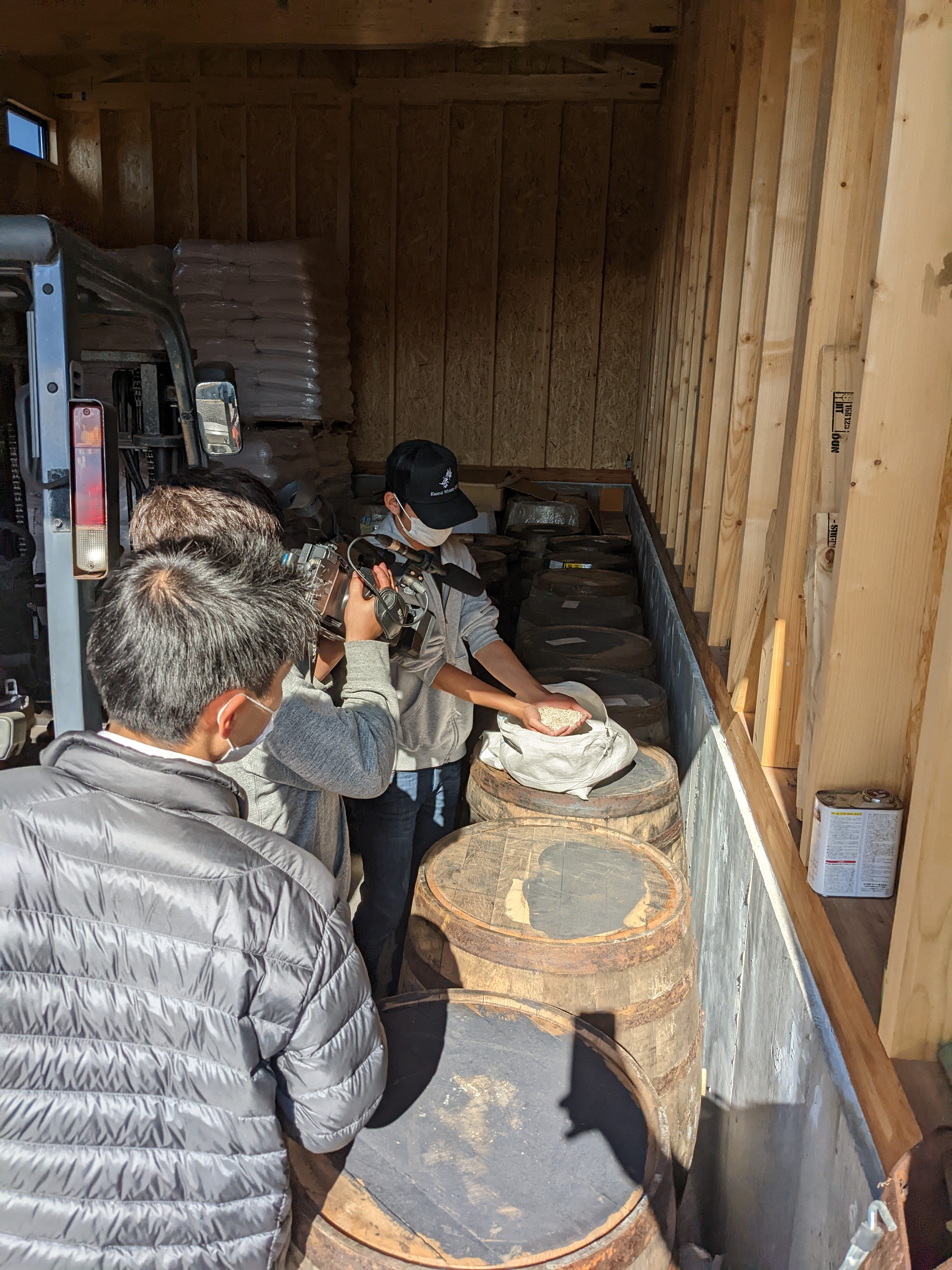
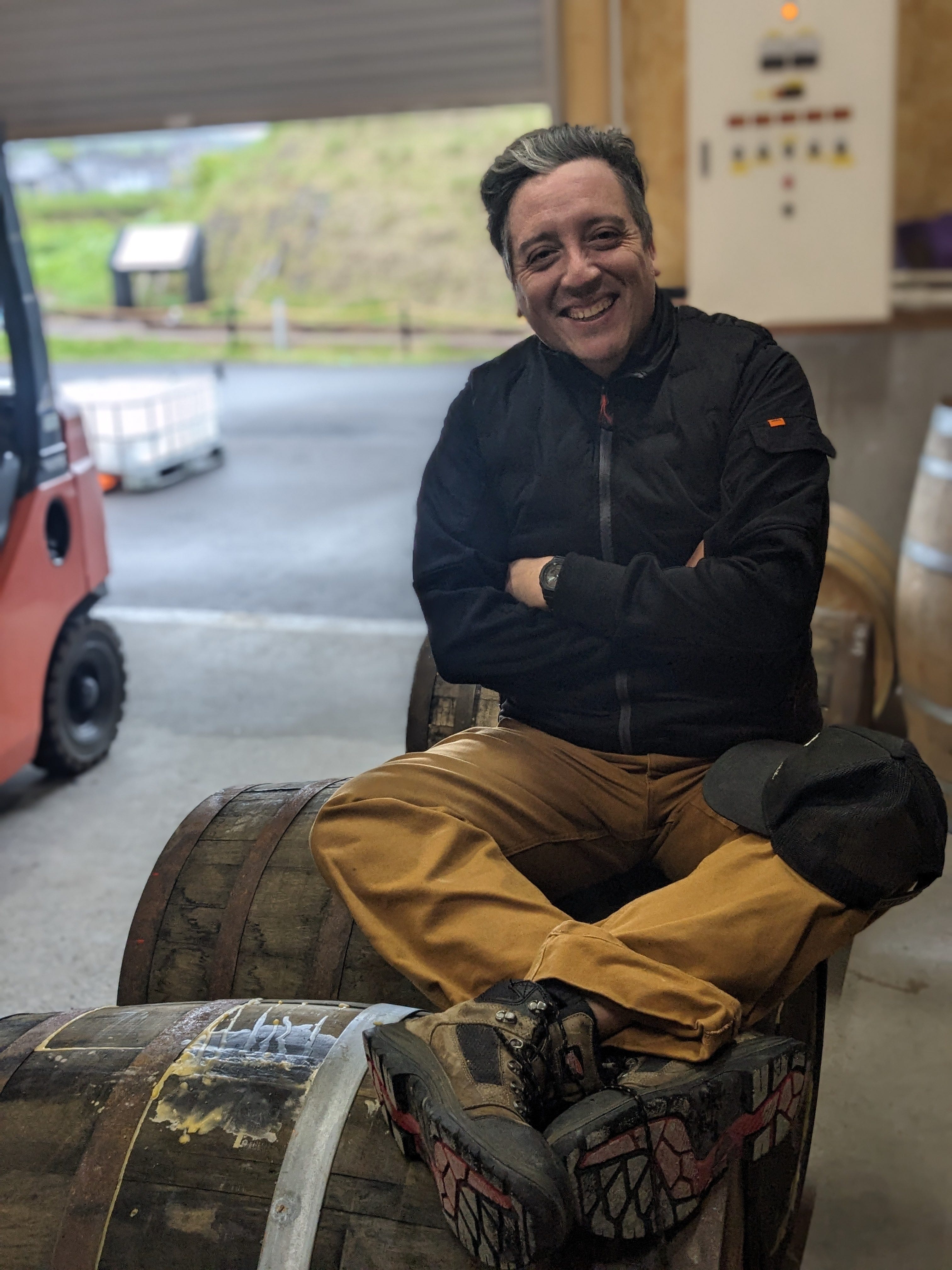
Over the years, our First Warehouse has hosted an unlikely parade of visitors. CEOs of Japan’s major airlines have stood where you might stand someday, ties loosened, hands in pockets, staring at the barrels like they held answers to questions they needed answers for. Japan’s most famous footballer ducked through the door one afternoon2. K-pop producers - the ones who created the groups our kids obsess over - took selfies against the racks. Hokkaido’s Governor.
A Polish builder, who somehow found his way to our remote island on the other side of the world, once walked the interior perimeter, running his thick fingers along the cement lines over the corking, picking at the seams. “I could do this better,” he told me, not unkindly. He probably could have. Construction on the island has always been one of our big challenges. But by then, my dream had already taken its shape in imperfect concrete and determination.
Governors came through. Creative artists. People who make things and people who move things and people who dream things into existence. All of them stood in that warehouse when it was some variation of empty, when believing in what it would become required a certain kind of faith.
The Smell
Years ago, I visited Shizuoka Distillery, and the smell of their aging warehouse hit me with a memory that still lingers. You didn’t breathe it in so much as pass through it. Woody, sweet, alive. The humidity made it physical, made it cling to your clothes and your hair. I wanted that for our warehouse. I needed it.
But you can’t manufacture that smell. You can’t fake it or rush it. Two barrels in our echoing warehouse doesn’t create an atmosphere.
Then five barrels. Then twenty. Then more.
And slowly, so slowly you almost couldn’t notice it happening, the smell started to build. Not all at once, but in layers. Whisky whispers that became murmurs that became something you felt wash over you opening the shutter each morning.
The Living Archive
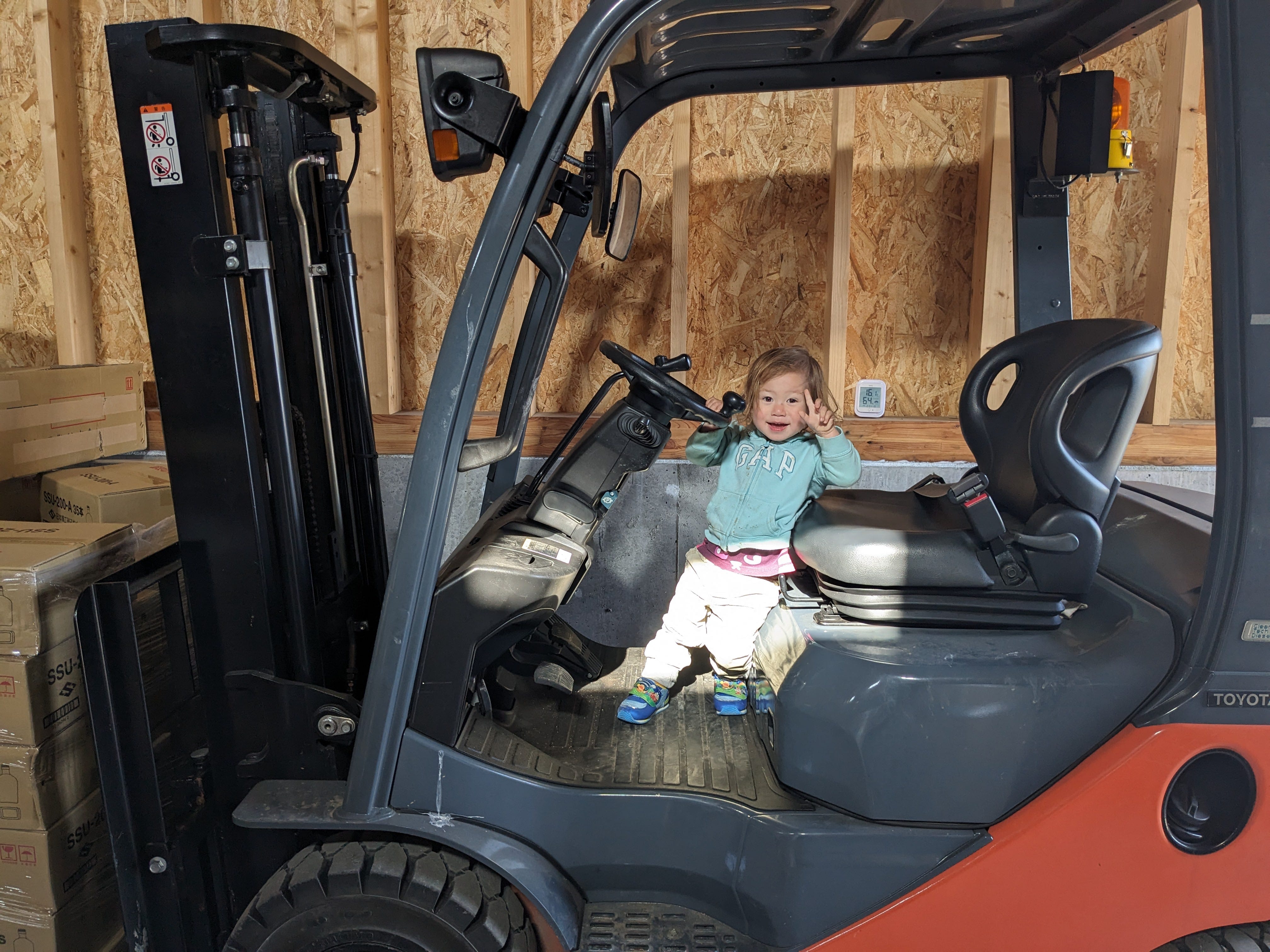
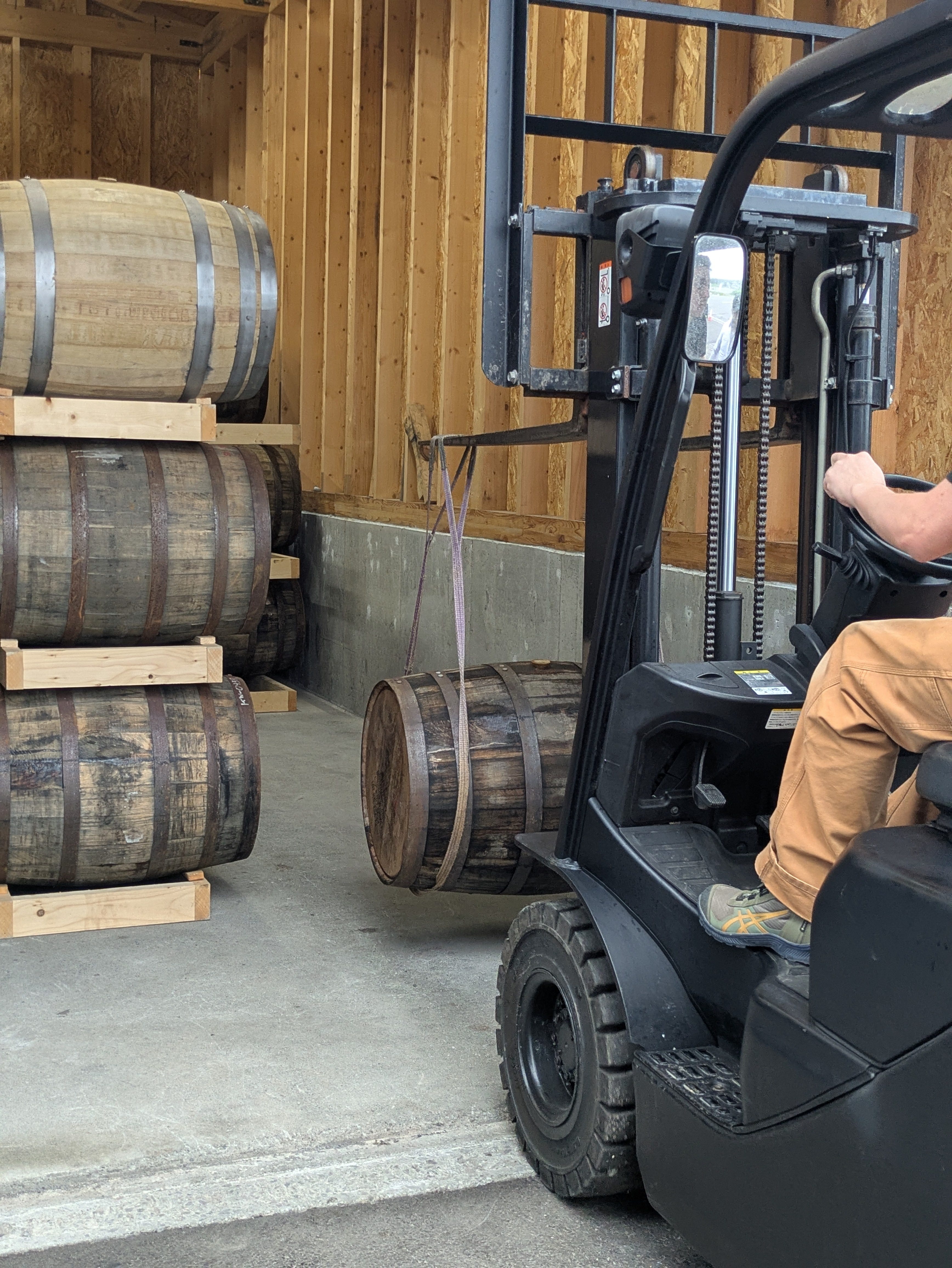
I’ve done many, many meetings in our First Warehouse. In-person meetings where we’d pull up folding chairs. Online meetings where I’d prop my laptop on a barrel head, or sit in the parked forklift, and hope the wifi held. I was swimming in whisky, sustained by that slowly intensifying smell and the evidence, stacked around me, that this improbable venture was actually working.
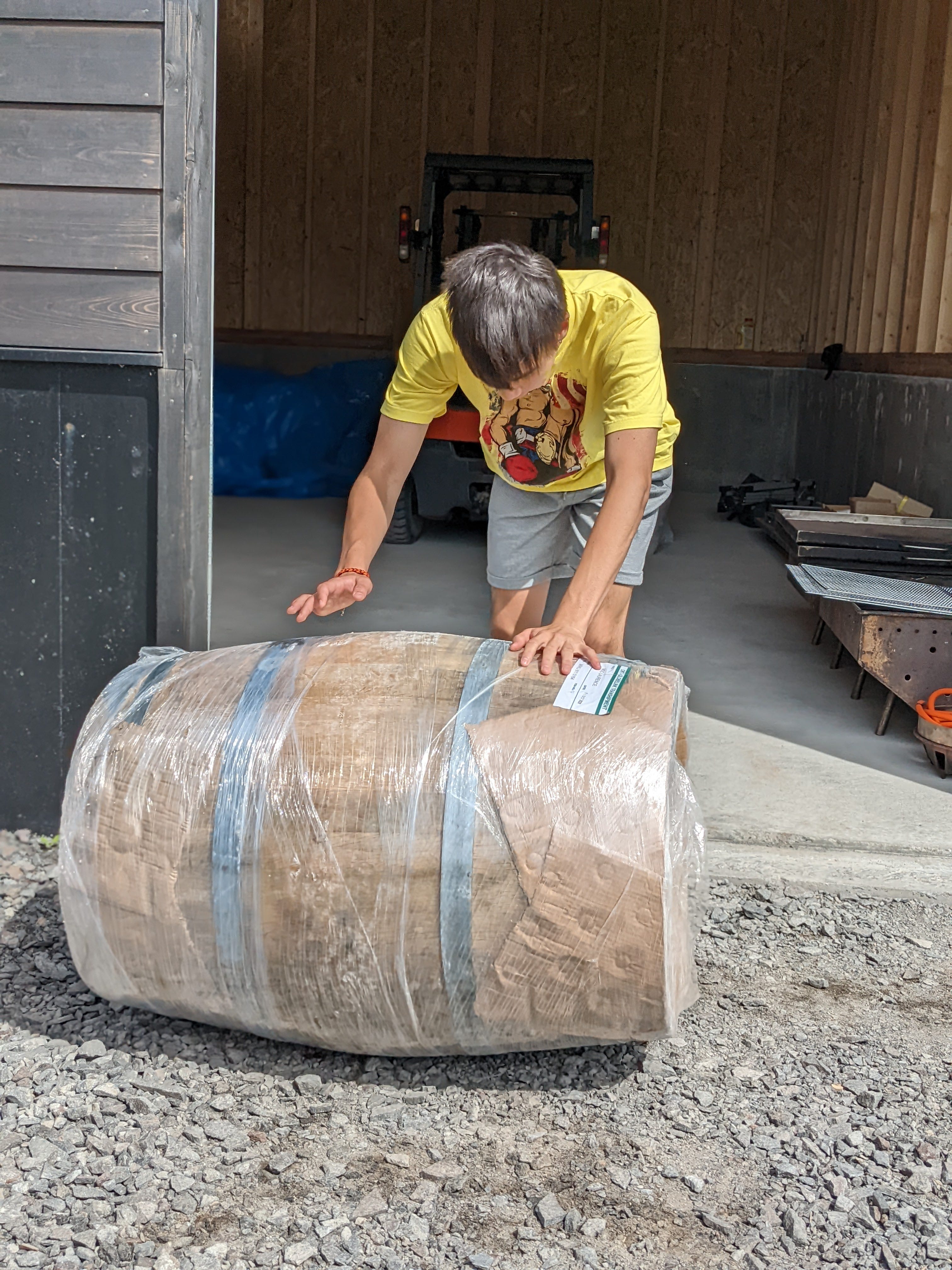
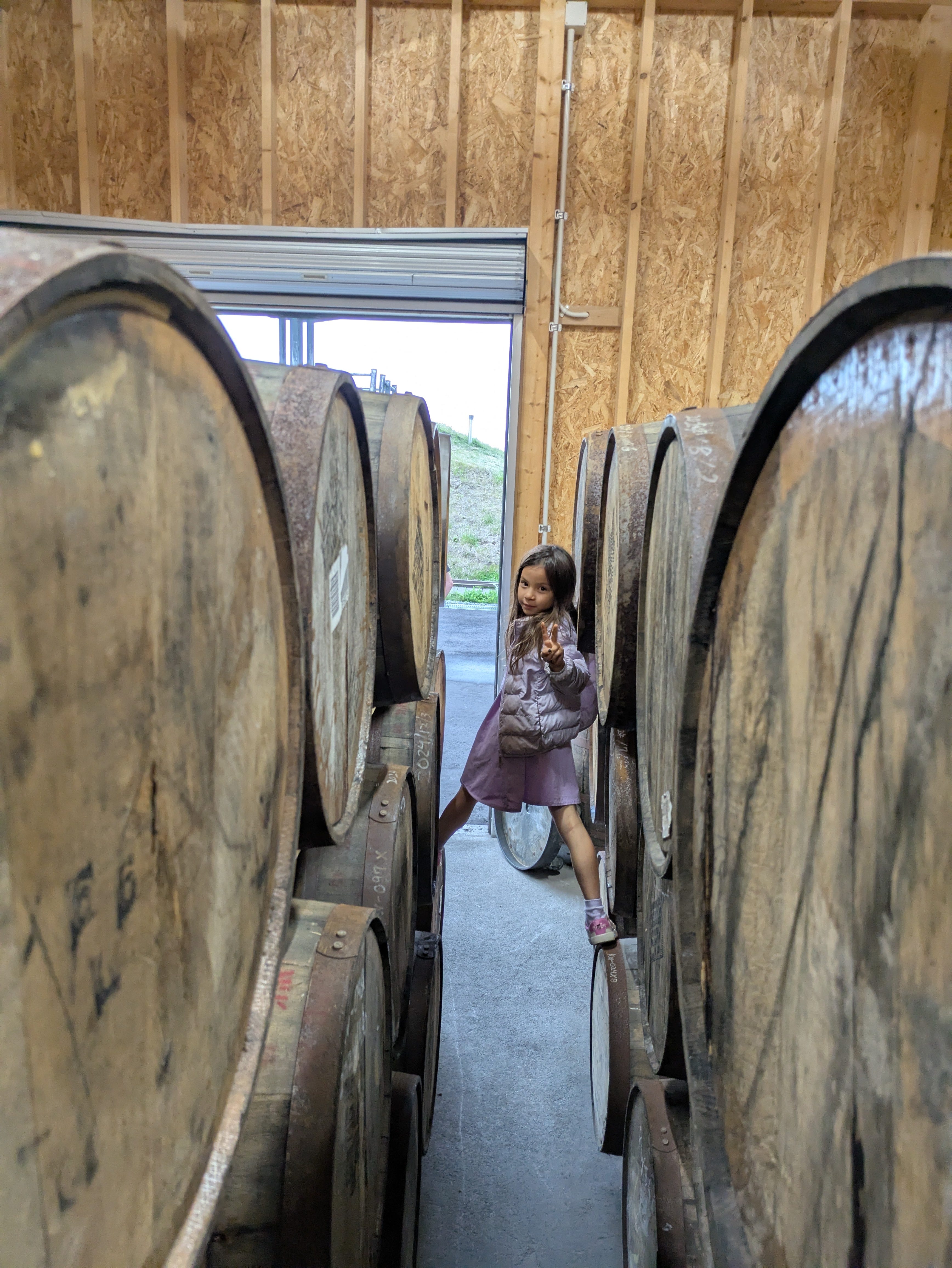
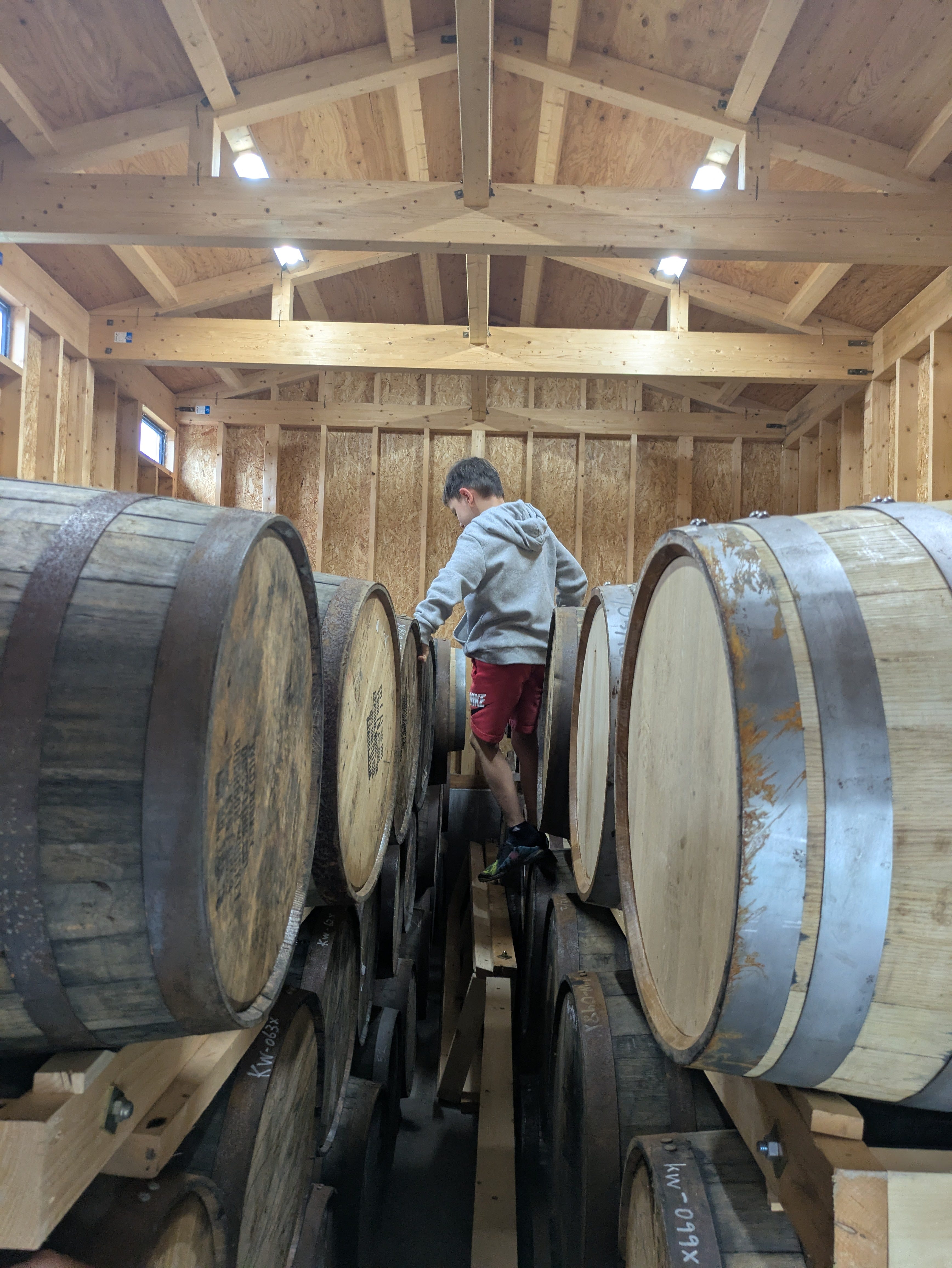
My kids climbed on the barrels, scrambling over them like playground equipment while I pretended not to notice how dangerous it was. Javier, our Master Distiller, would walk across the tops of the barrels, checking levels, rotating positions, his balance so casual it looked like a superpower.
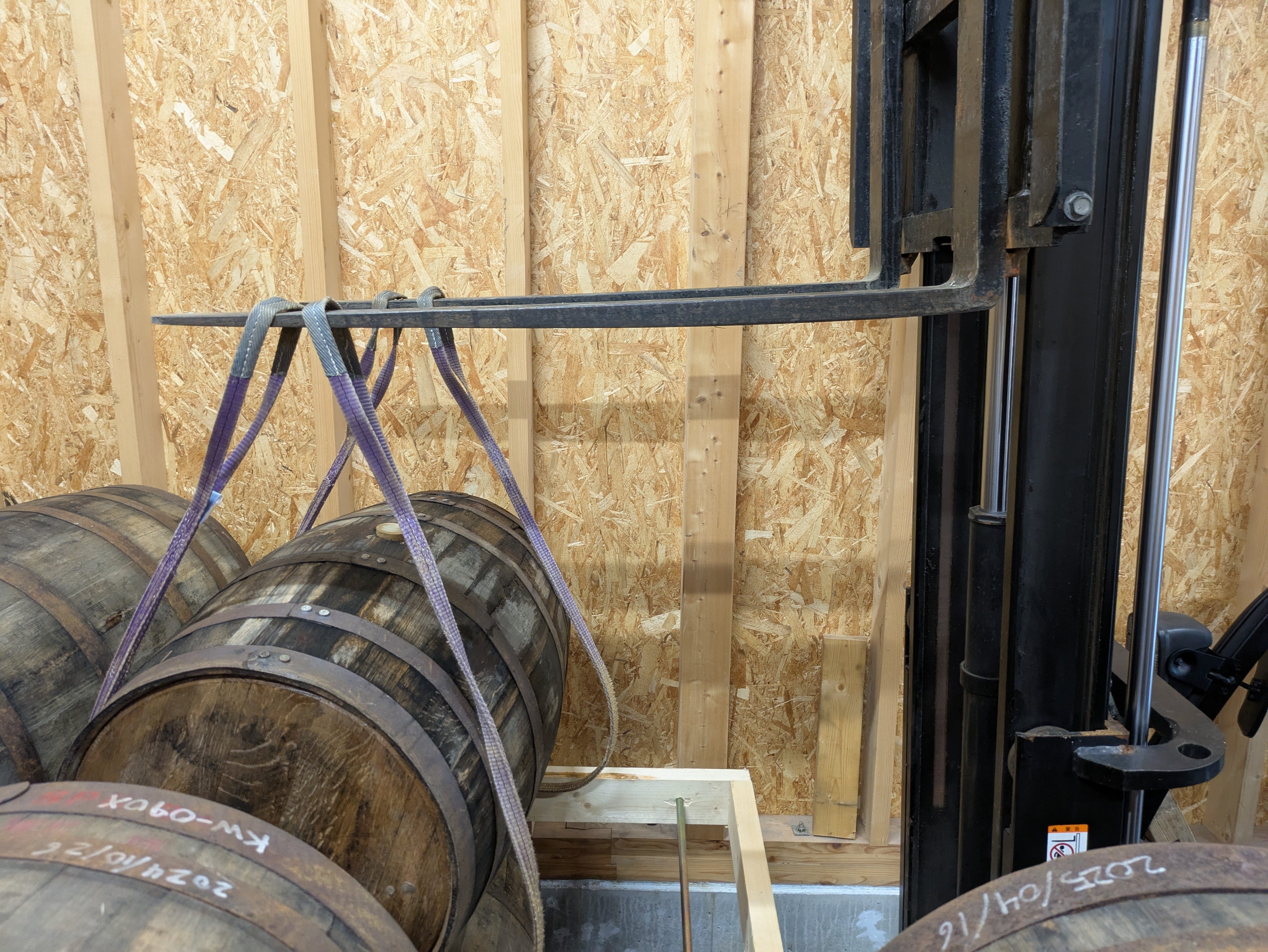
There were complaints, naturally. About the dunnage system being old-fashioned. About the inefficiency. About the risk3.
But now? Now that it’s full, over full, with barrels aging everywhere, a couple stacked precariously. Now that the warehouse has matured into exactly what we dreamed it would be, all those complaints have dissolved into the thick, humid whisky air.
The Personality Emerges
There are windows on our First Warehouse. High up. Natural light means natural heat, especially in summer. It’s getting hotter here in Rishiri. It makes aging faster, more unpredictable. Some would call the windows and the extra heat they bring to the higher positioned barrels a poor planning choice.
I call it character development.
We have three-year-old whiskies now, tasting our first barrels, and they’re different. The barrels near the rolling shutter taste different from the barrels in the back. The ones down low age at a different speed, with a different complexity than the ones stacked high. Each position has its own microclimate, its own personality, its own story to tell through the whisky.
This is what excites me most now, not that we have a full warehouse, but that we have a living warehouse. Every barrel is having a slightly different conversation with time and wood and Rishiri’s wind and humidity and light. Every position, if we could learn its secrets, could teach us something new about what aging means, about what Rishiri means, about what’s possible when you let whisky become itself in its own way.
What Comes Next
These days we keep the shutter closed more often4. The warehouse has reached the density it needs; now it needs time to work. The barrels will continue their slow transformations in the dim light and heavy air, each one becoming more itself with every passing season.
Our next warehouse will sit on the other side of the island, in our sister town, halfway up the mountain and surrounded by forest5. The sea winds will not smash its walls so hard. No salt-thick encrustation. It will be a different kind of aging, gentler, perhaps, more contemplative. Mountain forest whiskies aging in cool shade versus coastal whiskies aging in brighter, more brutal conditions. These two aging expressions will add to the complexity and uniqueness, two main streams of our whisky, with different eddies of personalities, of what means to be Rishiri Whisky.
I don’t know yet what those mountain whiskies will taste like. I don’t know how they’ll differ from these original warehouse expressions6. But I know they’ll be different, and that difference will add to the magic.
Full Circle
Sometimes now I stand in our First Warehouse, pulling myself in, because there’s not much room to stand anymore, and I try to remember what it looked like empty. I try to remember that echo, that emptiness, that feeling of impossible distance between dream and reality.
I can’t quite get there anymore. The smell is too thick. The barrels are too present. The dream has become so thoroughly real that I’ve lost the ability to remember it when it was just a dream.
Javier, our Master Distiller, feels the weight of transformation a bit different. When the warehouse filled, he did the currency conversion to dollars and got chills. The whole journey came to his mind - the empty building, the first steps, the people who believed when there was almost nothing to see. “I can’t help asking myself: could I have done something differently?”
He thinks of his kids. Of the next generations who will one day taste this whisky - shaped by the winds of Rishiri, and by the hands that made it possible.
That Polish builder was right, probably. The cementing could have been better. The whole thing could have been more efficient, more modern, more sensible.
But it wouldn’t have smelled like this. And it wouldn’t have taught us what we needed to learn about patience and personality and the strange, slow magic of letting things become what they’re meant to be.
Our first warehouse is full.
Now we wait.
Lots of complaints about this system. It’s very labour intensive.
Keisuke Honda.
In hindsight, letting children climb on stacked barrels full of aging spirits was perhaps not my most responsible moment as a parent. In my defense, it was very cute, they were having fun, and no barrels were harmed in the making of these memories.
And more tightly locked.
I’ve been caught in such a political pincer because of this decision. When it is a bit more in the rearview mirror and not as raw and not as easily connected to people in power, I’ll share some of the stories about being yelled at for ours, of being accused of betrayal, of bold power moves to stop our production in order to influence a decision someone wants.
Salty ocean caramel.